
The Forgotten Art of Layering Area Rugs: How to Create Depth and Dimension in Any Room
Sunday, June 21, 2026
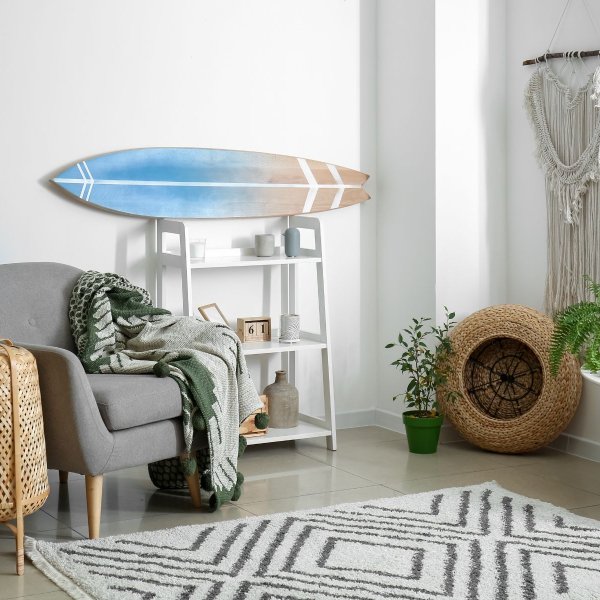
Interior design is full of bold moves, but one of the most underrated techniques remains the art of layering area rugs. It's a styling secret that designers have used for decades to add warmth, texture, visual intrigue, and personality to spaces that might otherwise feel flat or uninspired. At Carpetland, we believe that area rugs aren't just floor coverings — they're the foundation of extraordinary room design.
Layering rugs might sound intimidating, but the concept is beautifully simple. You start with a larger base rug that anchors the space, then place a smaller, more decorative rug on top to create contrast and interest. The result is a rich, curated look that feels both intentional and effortlessly stylish.
The key to successful layering starts with choosing complementary textures. Consider placing a plush, patterned rug over a natural jute or sisal base. The interplay between the rough, organic texture underneath and the soft, detailed piece on top creates a tactile experience that draws people into the room. It's design you can literally feel beneath your feet.
Color coordination matters, but perfection isn't the goal. In fact, the most captivating layered rug combinations embrace subtle contrast. A muted, neutral base rug paired with a vibrant vintage-inspired piece on top can transform a beige living room into a space bursting with character. Alternatively, layering two neutral rugs with different textures creates sophistication without overwhelming minimalist aesthetics.
Scale and proportion play crucial roles too. Your base rug should be large enough to define the seating area or room zone, while the top rug should be noticeably smaller — typically covering about sixty percent of the base rug's surface. This ratio allows both pieces to shine without competing for attention.
Don't limit yourself to rectangular shapes either. Placing a round rug over a rectangular base creates dynamic visual energy that breaks the monotony of straight lines. This works exceptionally well in dining areas, entryways, and reading nooks where you want the eye to pause and appreciate the design.
Layering also solves practical problems. Perhaps you have luxury vinyl or laminate flooring that you love but want to soften certain zones for comfort. A layered rug arrangement over hard-surface flooring creates cozy islands throughout your home — perfect for living rooms where children play or bedrooms where bare feet meet the floor each morning.
Seasonal versatility is another advantage. Swap the top layer rug with the seasons — lighter cotton or flatweave pieces during summer, and thicker wool or shag rugs during winter. Your room evolves throughout the year without requiring a complete redesign.
At Carpetland, our area rug collections span every style, size, texture, and color palette imaginable. Whether you're drawn to Persian-inspired motifs, contemporary geometric patterns, or organic bohemian designs, our team can help you discover combinations you never imagined. Our showrooms in Springfield, Virginia, Falls Church, Virginia, and Alexandria, Virginia are filled with inspiration and expert guidance for mastering the layered rug look. Visit Carpetland today and let us help you unlock a whole new dimension of design in your home.